

In a world where the couch often calls louder than the gym, wearable fitness motivators have emerged as the trusty sidekick everyone needs. These gadgets don’t just track steps; they whisper sweet nothings of encouragement while reminding users that, yes, that last slice of pizza might not be the best pre-workout fuel.
Imagine strapping on a device that nudges you to move, celebrates your mini victories, and even makes you laugh when you realize you’ve burned more calories in a day than you thought possible. With technology at our fingertips, staying fit has never been more accessible—or more entertaining. Whether it’s a smart watch or a sleek fitness band, these little wonders promise to transform fitness from a chore into a fun adventure. So, why not let a wearable motivator help turn those “I’ll start tomorrow” excuses into “I just crushed my workout” victories?
Overview of Wearable Fitness Motivators
Wearable fitness motivators include devices like smartwatches, fitness trackers, and health bands designed to encourage a more active lifestyle. These gadgets monitor a variety of metrics, including steps taken, heart rate, and calories burned. Users benefit from real-time feedback, which helps them stay accountable to their fitness goals.
Tracking activity makes workouts more engaging. It fosters a sense of achievement as users celebrate milestones, whether it’s completing a certain number of steps or reaching a new personal record. Features such as reminders to move and daily challenges enhance the motivation levels.
Some devices incorporate social elements. By connecting users with friends or larger communities, wearables create support systems that foster competition and camaraderie. Sharing progress and competing in challenges offer additional motivation.
Analytics play a key role in a user’s fitness journey. Detailed insights into activity patterns help identify strengths and areas for improvement. Understanding this data empowers users to make informed decisions about their fitness routines.
Sensors in modern wearables provide accurate health tracking. Monitoring heart rate during workouts allows users to optimize their training intensity. The inclusion of sleep tracking aids in recognizing the importance of recovery in fitness plans.
Companies produce a variety of options to meet different preferences and budgets. Some wearers prefer minimalist designs for daily use, while others appreciate advanced features for specialized workouts. Overall, wearable fitness motivators represent a blend of technology and personal health engagement, proving effective for individuals looking to enhance their fitness journey.
Types of Wearable Fitness Motivators
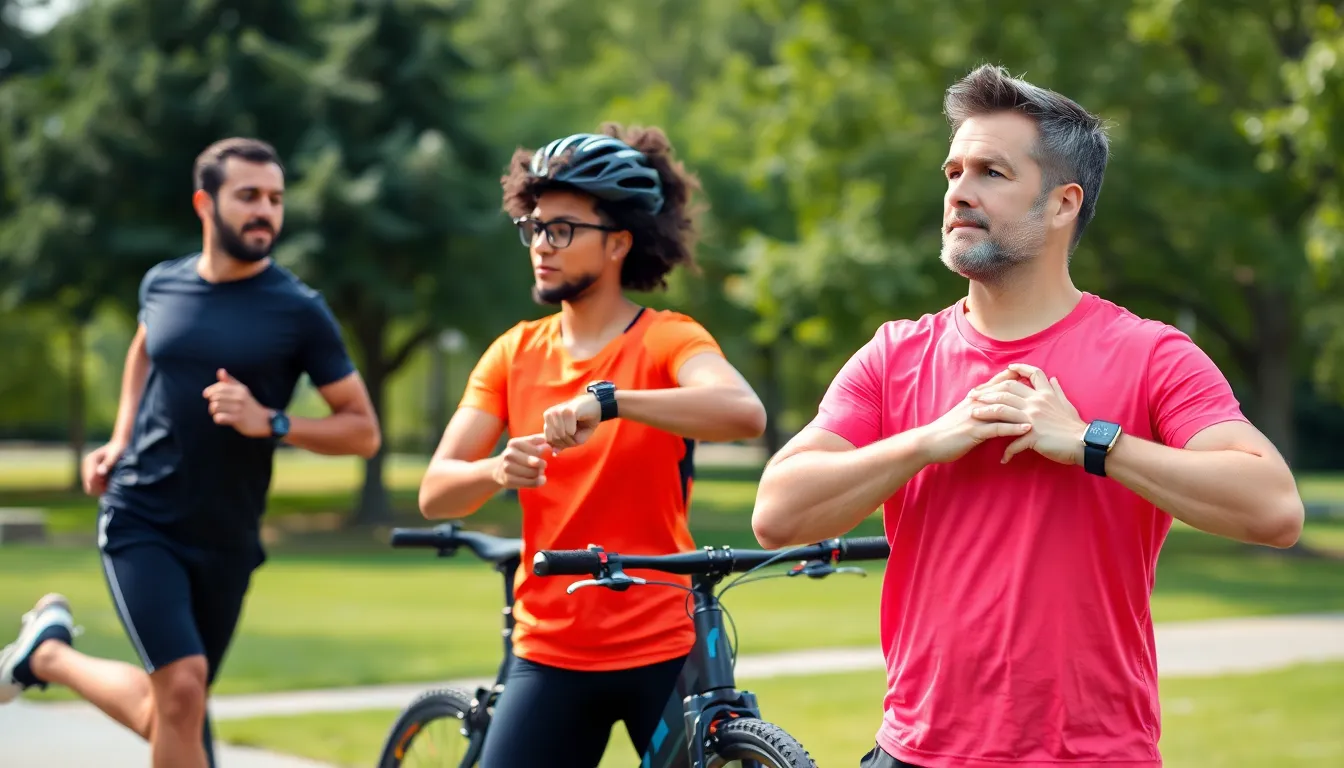
Wearable fitness motivators come in various forms, each designed to help individuals enhance their physical activity and health. Understanding these types provides insight into how they cater to different fitness needs.
Fitness Trackers
Fitness trackers serve as essential tools for monitoring daily activities. They typically count steps, track distance, and calculate calories burned. Many devices also feature sleep tracking and sedentary reminders, encouraging users to maintain an active lifestyle. Affordable options suit various budgets, while more advanced models offer GPS and workout-specific metrics. Data recorded by these devices helps individuals set achievable goals, illustrating progress over time. Notably, integration with mobile apps enhances usability and provides deeper insights.
Smartwatches
Smartwatches combine the functionalities of traditional watches with advanced fitness tracking. Users benefit from features that track heart rate, monitor activity levels, and provide notifications for calls and messages. Bluetooth connectivity allows synchronization with smartphones for added convenience. Customizable watch faces and a variety of fitness apps enable personalization. Moreover, many smartwatches include built-in GPS, allowing users to map their runs without needing a phone. The versatility makes them popular among fitness enthusiasts and casual users alike.
Heart Rate Monitors
Heart rate monitors provide critical insights during workouts, ensuring individuals stay within their target heart rate zones. Variants include chest straps, armbands, and wrist-based monitors. Accuracy often varies, so choosing a reliable option is essential for effective training. Many heart rate monitors sync with fitness trackers and smartwatches, offering real-time data during exercises. Monitoring heart rate helps optimize workouts and gauge overall fitness levels. For those seeking improved performance, these devices are valuable in developing personalized training plans.
Benefits of Wearable Fitness Motivators
Wearable fitness motivators offer multiple advantages that enhance users’ fitness journeys. These devices actively promote healthy habits and foster accountability.
Improved Accountability
Wearable fitness motivators track user activity in real time. This consistent monitoring keeps individuals aware of their daily movements and progress. Users receive reminders to exercise, encouraging them to meet their activity goals. Regular notifications act as gentle nudges, making it less likely for users to skip workouts. Sharing progress with friends adds a layer of social accountability, creating a supportive community that encourages commitment. This communal aspect plays a vital role in sustained motivation, driving users to adhere to their fitness plans.
Enhanced Performance Tracking
Tracking performance becomes seamless with wearable fitness motivators. Devices record metrics like heart rate, steps, and calories burned, providing instant feedback on workouts. Users analyze performance over time, identifying areas for improvement. These insights support informed decisions about adjusting fitness routines and setting new goals. Most wearables come equipped with analytics features that enhance user understanding of their health trends. By closely monitoring progress, individuals can avoid plateaus and make necessary changes to optimize their training. This tailored approach helps maintain engagement and fosters a stronger dedication to fitness.
Challenges and Considerations
Wearable fitness motivators come with various challenges and considerations that users should evaluate.
Accuracy and Reliability
Accuracy plays a vital role in the effectiveness of wearable devices. Users expect precise tracking of steps taken, heart rates, and calories burned. Some devices, however, may provide inconsistent readings due to sensor limitations or improper usage. Variability can occur, especially in outdoor environments where factors like GPS signal interference affect performance. Brands often publish data on their device accuracy, allowing consumers to compare options. Reliability remains essential; steadily tracking progress supports motivation and commitment. Regular software updates can enhance functionality, improving overall reliability. Users should research reviews to understand which models consistently deliver accurate results.
Privacy Concerns
Privacy concerns arise when using wearable fitness devices. These gadgets collect vast amounts of personal data, including location, health metrics, and activity levels. Data breaches are potential risks, possibly exposing sensitive information. Users must consider terms of service and privacy policies before selecting a device. Many brands implement security measures to protect user data; however, vigilance is necessary. Linking devices to social accounts may enhance connectivity but also increases exposure to privacy risks. Opting for devices with strong security protocols can mitigate these issues. Understanding how data is utilized and shared remains crucial for protecting personal information.
Wearable fitness motivators are transforming the way individuals approach their health and fitness journeys. By providing real-time feedback and fostering motivation through community engagement, these devices make staying active more enjoyable and achievable.
While they offer numerous benefits, users must remain mindful of accuracy and privacy concerns. Choosing the right device involves understanding its features and ensuring it aligns with personal fitness goals.
With the right wearable, individuals can not only track their progress but also cultivate a healthier lifestyle that promotes long-term wellness. Embracing this technology can lead to significant improvements in fitness habits and overall well-being.