
In today’s digital jungle, cyber hygiene is the unsung hero of online safety. Just like brushing your teeth keeps cavities at bay, good cyber practices ward off those pesky hackers lurking in the shadows. With cyber threats evolving faster than a cat meme goes viral, it’s crucial to keep your digital life clean and secure.
Imagine leaving your front door wide open while you take a nap—sounds ridiculous, right? Yet many people do just that with their online accounts. By adopting simple cyber hygiene habits, they can transform their digital lives from a chaotic mess into a fortress. So buckle up and get ready to dive into the world of cyber hygiene, where a few laughs and some solid tips will keep your data safe and sound.
Understanding Cyber Hygiene
Cyber hygiene refers to the set of practices that individuals and organizations adopt to maintain the security of their digital environments. It focuses on ensuring that users manage their online activities and devices effectively.
Definition of Cyber Hygiene
Cyber hygiene encompasses various habits, tools, and practices. Users frequently update passwords and employ two-factor authentication. Regularly installing software updates reduces vulnerabilities. Employing reliable antivirus software helps prevent malware attacks. Awareness of phishing scams is crucial in avoiding potential breaches.
Importance of Cyber Hygiene
Adopting strong cyber hygiene practices greatly reduces the risk of security incidents. Statistics show that nearly 60% of small businesses experience cyberattacks. Cyber hygiene protects personal and professional data from unauthorized access. Regularly backing up data ensures recovery in case of ransomware attacks. Many organizations mandate training on cyber hygiene for employees to foster a culture of security.
Common Cyber Hygiene Practices
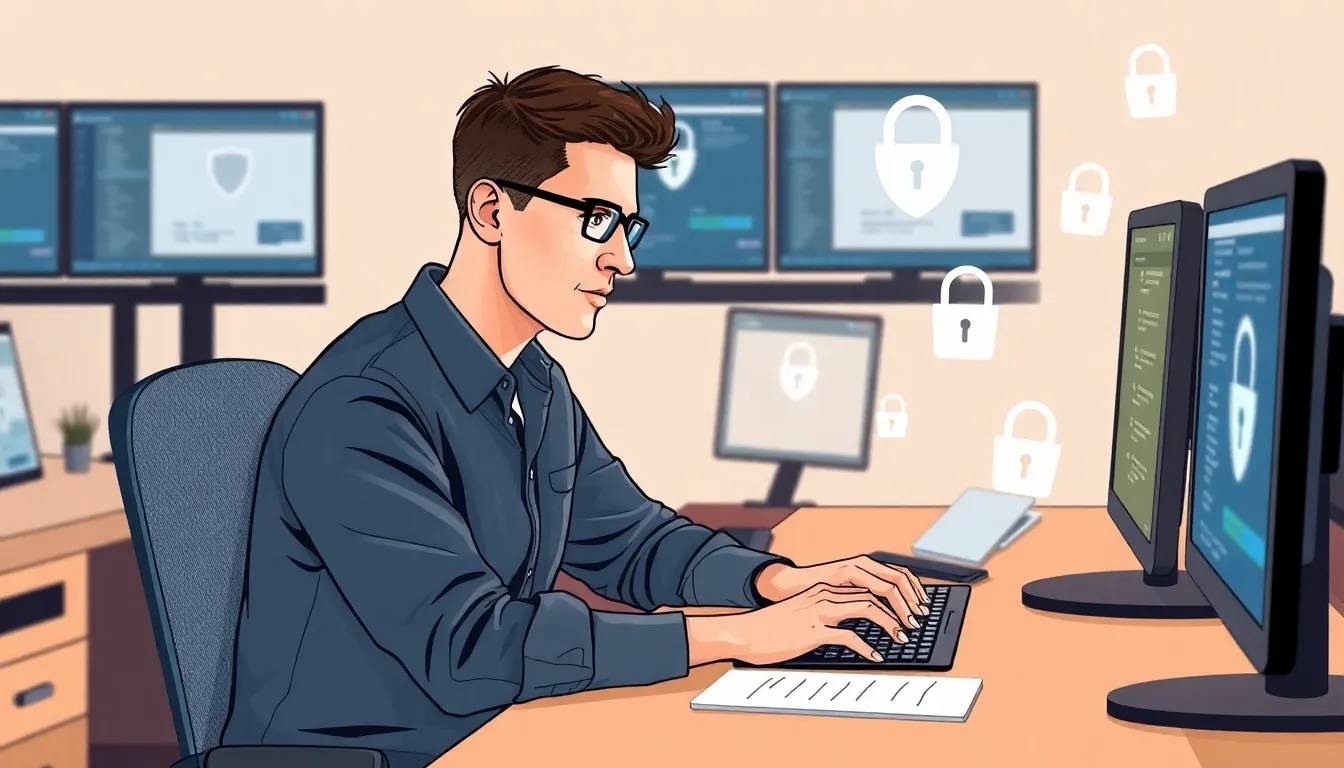
Adopting strong cyber hygiene practices is crucial for anyone navigating the digital landscape. These habits help individuals and organizations secure their online presence.
Password Management
Implementing effective password management is vital for safeguarding accounts. Use unique passwords for different accounts to minimize risk. Choosing complex passwords that combine letters, numbers, and symbols significantly increases security. Consider a password manager for securely storing and generating passwords. According to experts, changing passwords at least every three months further protects sensitive information. Enabling two-factor authentication adds an extra layer of security, making unauthorized access much harder.
Software Updates
Regular software updates critically enhance device security. Updates frequently address vulnerabilities, patching security gaps that cybercriminals exploit. Check settings on devices and applications to enable automatic updates whenever possible. It’s important to stay informed about the latest updates from software providers. Statistics show that about 15% of breaches occur due to outdated software, highlighting the importance of this practice. Prioritizing timely updates reduces the risk of becoming a victim of cyber threats.
Use of Antivirus Software
Employing reliable antivirus software is a key component of cyber hygiene. Antivirus programs detect, quarantine, and remove malware, minimizing potential damage. Choose software with high ratings and regular updates to ensure optimal protection. Running frequent system scans identifies potential threats quickly. Cybersecurity experts recommend a layered defense strategy, combining antivirus tools with other security measures. As data indicates, around 40% of small businesses experience malware attacks, underscoring the necessity of utilizing effective antivirus solutions.
Risks of Poor Cyber Hygiene
Neglecting cyber hygiene exposes individuals and organizations to significant risks. Understanding these risks highlights the importance of adopting sound cyber practices.
Malware and Viruses
Malware and viruses lead to severe disruptions. They can corrupt files, steal sensitive information, and even hijack systems. Statistics show that approximately 40% of small businesses encounter malware attacks. Such attacks often result from outdated antivirus software or unsecured devices. Regular updates and robust security protocols prevent malware infections effectively. Implementing reliable antivirus solutions, along with periodic scans, significantly reduces the risk.
Phishing Attacks
Phishing attacks are among the most common cyber threats. Cybercriminals use deceptive emails and websites to trick individuals into revealing personal information. Nearly 30% of phishing emails bypass traditional security measures. Education and awareness about these tactics are crucial. Employing two-factor authentication adds an extra layer of protection against unauthorized access. Companies that regularly train employees on recognizing phishing attempts reduce susceptibility to these scams.
Data Breaches
Data breaches represent a serious threat to personal and organizational privacy. These incidents often arise from weak passwords and poor security practices. Reports indicate that about 60% of small businesses experience a data breach within six months of an attack. Strong password policies and regular updates mitigate this risk effectively. Organizations should prioritize data encryption and secure communication methods to protect sensitive information from unauthorized access. Regular backups also serve as key measures against the fallout of a breach.
Best Practices for Maintaining Cyber Hygiene
Effective cyber hygiene relies on several key practices that enhance security and protect against threats.
Regular Backups
Regularly backing up data serves as a crucial defense against data loss. Daily or weekly backups ensure that up-to-date information is always accessible. Many individuals and businesses select both local and cloud backup options for added security. Statistics indicate that nearly 60% of small businesses that experience a ransomware attack shut down within six months. Having reliable backups mitigates this risk and ensures that information can be restored swiftly in case of an incident.
Secure Wi-Fi Practices
Secure Wi-Fi practices are vital for maintaining a safe online environment. Employing strong, unique passwords for wireless networks prevents unauthorized access. Encryption methods such as WPA3 help to protect sensitive information transmitted over Wi-Fi. Public Wi-Fi often poses risks; using a Virtual Private Network (VPN) when connecting enhances security significantly. Additionally, changing default network names (SSIDs) and disabling remote management feature can further secure the network.
Awareness and Training
Awareness and training are fundamental components of effective cyber hygiene strategies. Organizations should implement regular training sessions to educate employees about current cybersecurity threats. Recognizing phishing attempts and suspicious links fosters a culture of vigilance. Almost 30% of employees unknowingly click on phishing emails, highlighting the importance of training. Frequent updates on emerging threats keep security knowledge fresh and relevant, ensuring everyone stays informed and proactive.
Embracing cyber hygiene is essential for everyone navigating the digital landscape. By adopting proactive measures and fostering a culture of security individuals and organizations can significantly reduce their vulnerability to cyber threats. Regularly updating passwords using two-factor authentication and staying informed about the latest scams are just a few ways to enhance online safety.
Investing in good cyber hygiene not only protects personal information but also fortifies businesses against costly breaches. As cyber threats continue to evolve staying vigilant and informed is the best defense. Prioritizing these practices can lead to a safer and more secure online experience for all.