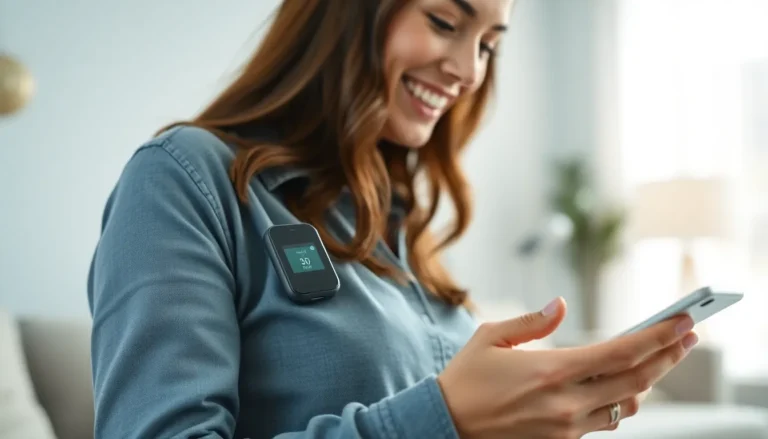

In a world where technology meets health, wearable glucose meters are the new superheroes in diabetes management. Gone are the days of pricking fingers like a medieval torture device. Now, these sleek gadgets monitor glucose levels with the finesse of a ninja, giving users real-time insights without the fuss.
Imagine strutting around with a stylish device that not only keeps your blood sugar in check but also sparks envy among your friends. These meters are more than just a trend; they’re a game changer, turning the daily grind of diabetes management into a seamless experience. With the ability to sync with smartphones and offer personalized data, it’s time to embrace a future where health and style go hand in hand. Who knew managing glucose could be this cool?
Overview of Wearable Glucose Meters
Wearable glucose meters represent a significant evolution in diabetes monitoring technology. These devices allow users to track glucose levels continuously without traditional finger pricks. Real-time data collection enhances management strategies, providing insights into blood sugar trends.
Devices like continuous glucose monitors provide users with alerts for high or low glucose levels. Advanced sensors accurately measure interstitial fluid glucose concentrations. Many options feature Bluetooth connectivity, syncing data to smartphones for easy access.
Wearable glucose meters are designed for convenience and comfort. Users can wear them on their skin, typically in discreet patches or bands. This design ensures that glucose monitoring becomes part of daily life, streamlining diabetes management.
Various manufacturers offer unique products with diverse functionalities. For instance, some devices focus on user-friendly interfaces and app integration. Others emphasize accuracy and rapid updates, catering to different user preferences.
Many studies confirm the effectiveness of wearable glucose meters in improving glycemic control. Users experience reduced hemoglobin A1c levels and fewer hypoglycemic events. This technology not only enhances health outcomes but also encourages engagement in one’s health journey.
In addition, these meters promote a proactive approach to diabetes management. Users can analyze individual glucose responses to food, exercise, and medication. Engaging with real-time data fosters better decisions and personalized wellness strategies.
Ultimately, wearable glucose meters significantly enhance the landscape of diabetes care, making management both accessible and stylish. The integration of technology in health continues to reshape traditional practices, paving the way for a healthier future.
Benefits of Wearable Glucose Meters
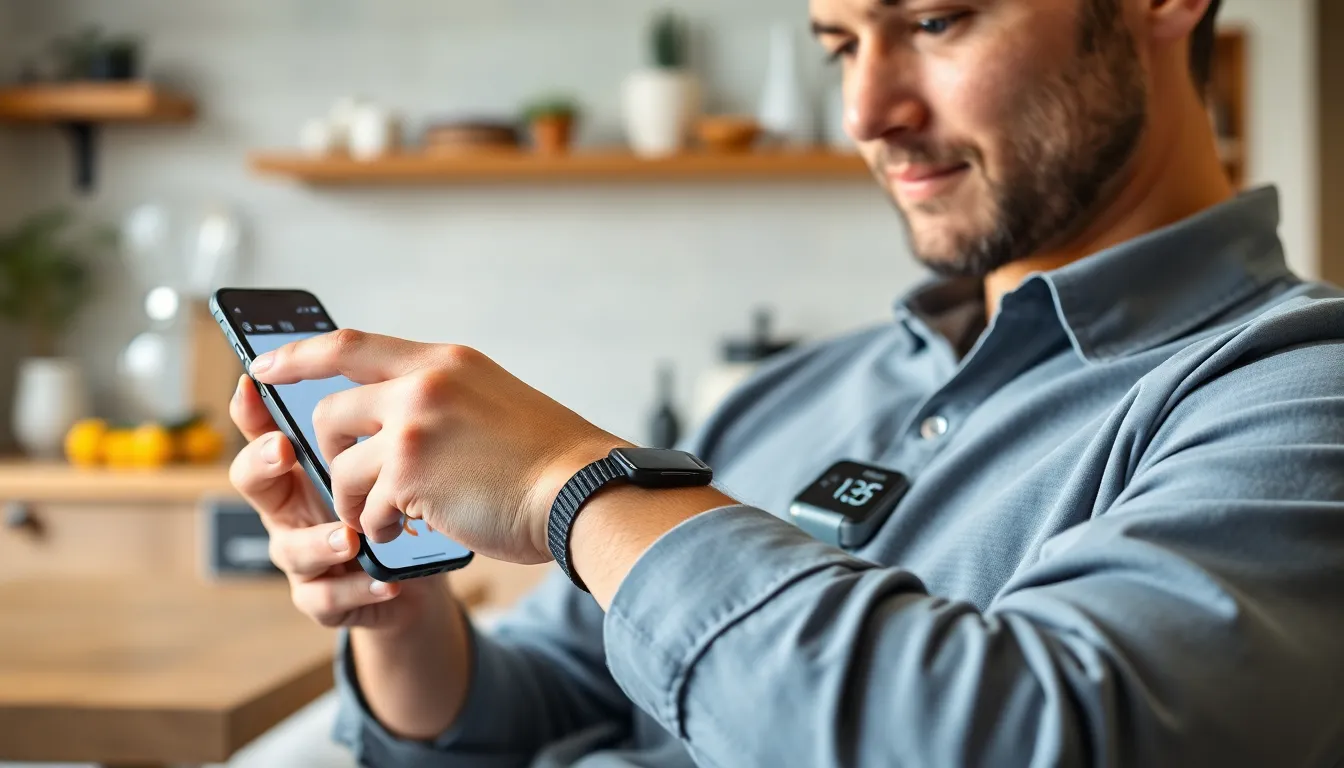
Wearable glucose meters offer significant advantages in diabetes management. These devices simplify monitoring, providing users with insights into their glucose levels throughout the day.
Continuous Monitoring
Continuous glucose monitoring enhances awareness of glucose fluctuations. Users receive real-time data, allowing them to respond promptly to high or low readings. Alerts notify individuals of critical changes, helping prevent severe hypoglycemic events. The integration of advanced sensors detects glucose concentrations in interstitial fluid, providing accurate measurements. Since these meters operate continuously, they eliminate the need for repetitive finger pricks, improving user experience significantly.
Improved Lifestyle Management
Wearable glucose meters facilitate informed lifestyle choices. Users can analyze how food, exercise, and medication affects their glucose levels. This real-time information empowers individuals to make adjustments promptly. Data tracking allows for better planning of meals and physical activities, leading to enhanced glycemic control. Users find it easier to maintain balanced lifestyles, resulting in improved overall health and well-being. Additionally, these devices integrate seamlessly into daily routines, promoting a discreet yet effective diabetes management approach.
How Wearable Glucose Meters Work
Wearable glucose meters utilize advanced technology to monitor glucose levels continuously and conveniently. These devices enhance diabetes management by providing seamless, real-time insights.
Sensor Technology
Sensor technology forms the backbone of wearable glucose meters. Continuous glucose monitors use sophisticated sensors to accurately assess glucose concentrations in interstitial fluid. Advanced materials enhance the sensor’s reliability and accuracy. These sensors integrate microelectronics to reduce size, enabling discreet wear. Users benefit from non-invasive glucose monitoring that eliminates the discomfort associated with traditional finger pricks.
Data Transmission and Analysis
Data transmission and analysis play a crucial role in wearable glucose meters. Sensors collect glucose readings at regular intervals, ensuring users receive timely information. Information gets transmitted to paired devices such as smartphones through Bluetooth technology. Users view real-time data and historical trends via user-friendly applications. Insights derived from the analysis empower users to adjust their diets, medications, and activity levels based on their glucose patterns. Immediate access to this data becomes vital for effective diabetes management.
Popular Wearable Glucose Meters on the Market
Wearable glucose meters have gained popularity for their innovative approach to diabetes management. Users can now monitor their glucose levels with ease and convenience.
Product Features
Most wearable glucose meters feature continuous monitoring of glucose levels in real-time. Sensors accurately measure glucose concentrations in interstitial fluid, providing reliable data. Many devices also offer smartphone connectivity, allowing users to access trends and alerts. Alerts notify users of significant glucose fluctuations, helping to prevent critical events. Some meters come with customizable settings, enabling personalized alerts and data display. Each device’s sleek design supports discreet wear, making it comfortable for daily use.
User Experiences
Users consistently report enhanced confidence in managing their diabetes with wearable glucose meters. Many appreciate the convenience of real-time readings, allowing for immediate adjustments to diets and activities. Positive feedback highlights reduced anxiety around glucose monitoring, with fewer finger pricks required. Participants in user surveys often mention improved lifestyle changes, stemming from easy access to glucose data. Several users indicate a stronger sense of control over their health, resulting in fewer emergency situations. Overall, satisfaction with wearable glucose meters showcases their impactful role in diabetes care.
Limitations and Considerations
Wearable glucose meters present certain limitations that users should consider. Accuracy can vary; interstitial fluid readings may not always align with blood glucose levels, particularly during rapid fluctuations. Device calibration ensures better precision but requires users to regularly check against traditional methods.
Battery life plays a crucial role in usability. While many devices offer extended use without charging, prolonged reliance on a single device may lead to interruptions in monitoring. Users must prepare for potential battery-related inconveniences to maintain consistent glucose tracking.
Cost represents another consideration. Insurance coverage varies, affecting the affordability of these devices for many individuals. Upfront expenses may deter some patients, especially if they are also managing other healthcare costs.
Skin irritation can occur with continuous wear. Adhesives used on wearable meters might cause discomfort or rashes, particularly for those with sensitive skin. Users need to monitor any skin reactions and may require periodic breaks from wearing the device.
Data privacy poses significant concerns. Although many applications provide insightful health information, users often share sensitive data with third parties. Understanding privacy policies is essential for individuals concerned about the security of their personal health information.
Integration with other diabetes management tools is vital for holistic care. Not all wearable glucose meters seamlessly sync with other devices and apps, potentially leading to data silos. Users might prefer systems that facilitate comprehensive data analysis for better decision-making.
Adherence to device recommendations can affect the overall efficacy of glucose monitoring. Users must consistently wear the devices as instructed to gain maximum benefits. Sustained usage promotes accurate, real-time insights into glucose trends, thereby enhancing diabetes management.
Future of Wearable Glucose Meters
Innovation in wearable glucose meters promises to reshape diabetes management. Continuous advancements in sensor technology enable these devices to measure glucose levels more accurately and conveniently. Real-time data accessibility empowers users to make informed decisions regarding their diet and lifestyle choices more effectively.
Integration with mobile applications will likely enhance user experience. Users can expect features like personalized alerts and trend analysis, helping them respond quickly to glucose fluctuations. Many devices are also exploring artificial intelligence capabilities to predict glucose spikes or drops based on individual patterns.
Wearable glucose meters will become more mainstream as affordability increases. Insurance coverage is gradually expanding, making these devices more accessible for various patients. Future developments in adhesive technology aim to reduce skin irritation, addressing one of the main concerns users currently face.
Collaboration between tech companies and healthcare providers is set to strengthen diabetes care. Innovative partnerships aim to create more holistic solutions, combining glucose monitoring with other management tools. Enhanced compatibility with multiple platforms will ensure seamless synchronization of health data, encouraging comprehensive monitoring.
Focus on user-centric design continues to influence the future of these devices. Comfort, style, and ease of use are paramount, allowing wearers to integrate glucose meters into their daily lives unobtrusively. This evolution aligns with a broader trend towards personalized health technology.
Merging data privacy measures with user control will also play a crucial role. By ensuring data security, manufacturers can build trust and encourage users to embrace wearable technology confidently. As these devices continue to evolve, they will redefine not only diabetes management but also the overall approach to personal health monitoring.
Wearable glucose meters are revolutionizing diabetes management by offering convenience and real-time insights. These devices not only simplify monitoring but also empower users to make informed lifestyle choices. As technology continues to advance, the integration of these meters into daily life will enhance user experience and improve health outcomes.
The future holds promise for even greater accuracy and affordability, making these innovative tools accessible to a wider audience. With ongoing developments in sensor technology and user-centric design, wearable glucose meters are set to redefine how individuals manage their diabetes. This evolution signifies a shift toward more personalized and effective healthcare solutions.