

In a world where technology and military might collide, the military wearables market is taking center stage. Picture this: soldiers equipped with gear that not only tracks their vital signs but also provides real-time data on the battlefield. It’s like having a personal trainer and a GPS all rolled into one—minus the sweat and awkward small talk.
Overview Of The Military Wearables Market
The military wearables market has rapidly expanded as technology continues to integrate into defense systems. Companies focus on developing devices that enhance soldier performance and safety. Advanced wearables include smart helmets, exoskeletons, and health-monitoring gear. These innovative solutions provide vital information crucial for mission success.
Significant growth in this market stems from increasing investments in military modernization. The global military wearables market size reached approximately $10 billion in 2022 and is projected to exceed $20 billion by 2030. Key players, including Lockheed Martin, Northrop Grumman, and BAE Systems, actively contribute to this surge through extensive research and development initiatives.
Soldier safety and efficiency are top priorities driving market advancements. Wearable technology enables real-time health monitoring, allowing commanders to assess troops’ physical conditions instantly. Enhanced communication features aid in decision-making during missions.
Various applications for military wearables exist across different branches. The Army utilizes fitness trackers and biometric sensors to monitor soldier readiness. Navy forces incorporate wearables for operational navigation and environment assessments. Air Force implement heads-up displays to enhance situational awareness.
Future trends in the military wearables market emphasize augmented reality and artificial intelligence integration. Emerging technologies promise to revolutionize training systems and operational environments. Cybersecurity remains a critical consideration as wearables become more interconnected. Military organizations focus on safeguarding sensitive data collected through these devices.
Overall, the military wearables market reflects a shift towards technologically advanced solutions, significantly improving operational capabilities and soldier welfare.
Key Drivers Of Growth
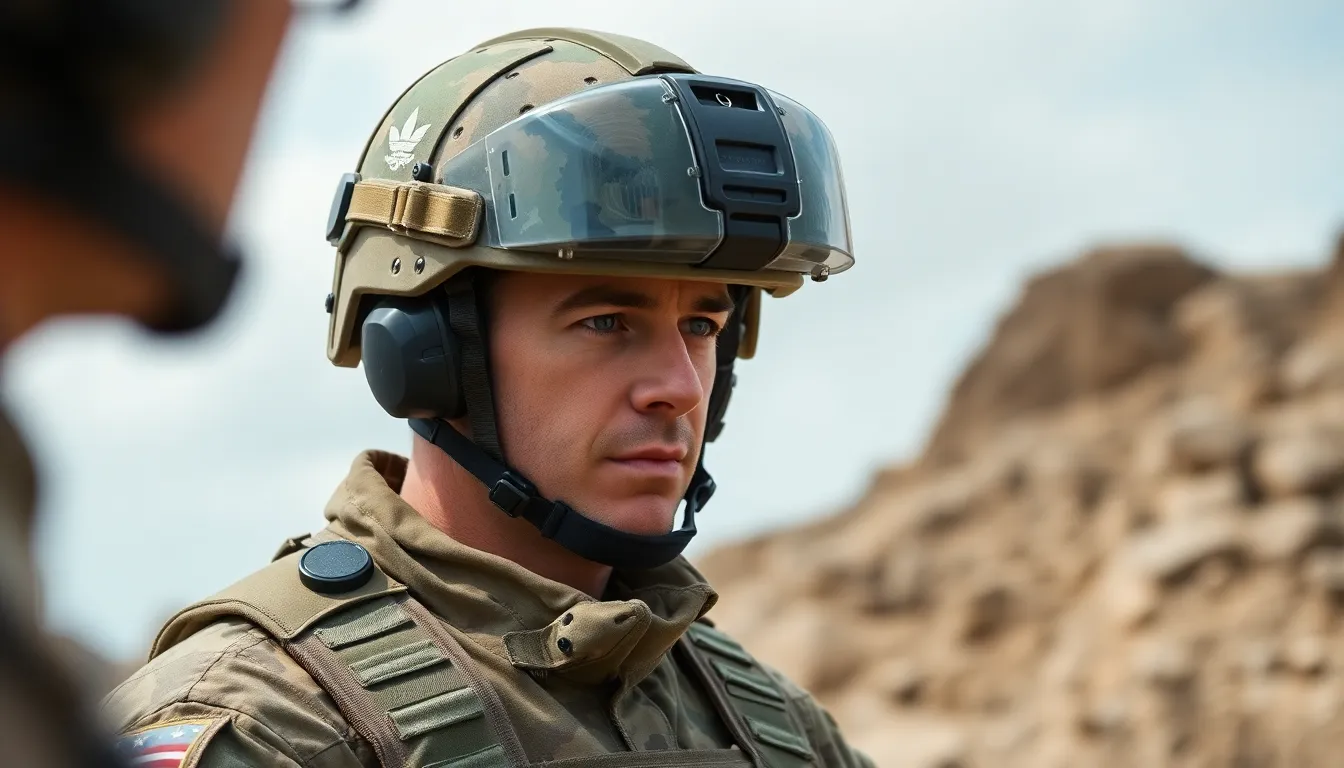
The military wearables market experiences robust growth due to several key factors. Innovations in technology enhance functionality and usability in the field.
Technological Advancements
New materials and advanced manufacturing techniques contribute to lighter, more durable wearables. The integration of sensors allows for continuous monitoring of soldier health and performance metrics. Benefits include real-time data communication and augmented reality features in devices like smart helmets. Manufacturers invest heavily in research to create products that provide tactical advantages. Smart textiles also play a role, offering improved comfort and adaptability in various environments. Overall, technological advancements lead to greater effectiveness and efficiency in military operations.
Increasing Defense Budgets
Rising defense budgets afford militaries the opportunity to invest in advanced technologies. Numerous countries prioritize modernization programs, allocating significant funds towards innovative gear. Increased spending enhances the capabilities of armed forces and drives demand for wearables. For instance, projected global defense expenditures reached approximately $2 trillion in 2022, reflecting an upward trend. With nations recognizing the strategic importance of superior soldier equipment, market growth accelerates. Emerging players also enter the market, motivated by attractive funding and collaboration opportunities with established defense contractors.
Major Players In The Market
The military wearables market features several key players driving innovation and growth. These companies focus on advanced technologies that enhance soldier safety and performance.
Leading Manufacturers
Lockheed Martin and Northrop Grumman remain pivotal manufacturers in this sector. They invest significantly in research and development, offering products like smart helmets and exoskeletons tailored for military applications. BAE Systems also plays a crucial role, delivering robust wearables aimed at improving operational efficiency. Collins Aerospace provides health-monitoring gear that integrates seamlessly with existing military systems. Additionally, Raytheon invests heavily in smart gear focused on real-time data analytics. This commitment to innovation positions these firms as leaders in the burgeoning market.
Emerging Startups
Emerging startups are also reshaping the military wearables landscape. Companies like C2Sense develop advanced sensor technologies that monitor soldier health in real-time, enhancing battlefield performance. SOTER Technologies focuses on safety applications, offering solutions that track vital signs and environmental conditions. Another notable startup, Bionik Laboratories, specializes in exoskeletons designed to reduce fatigue and increase mobility for troops. These innovative solutions address the evolving needs of modern militaries, complementing the offerings of established manufacturers and contributing to market growth.
Challenges Facing The Industry
The military wearables market faces several significant challenges. Growing integration of technology into military operations raises various security concerns. Devices that collect sensitive data can become targets for cyberattacks, as malicious actors exploit vulnerabilities. Ensuring robust cybersecurity measures is crucial for the protection of real-time data and soldier safety.
Supply chain issues present another obstacle for the industry. Delays in production or procurement can hinder the timely delivery of essential gear. Manufacturers often encounter challenges related to sourcing specialized materials or advanced components. Furthermore, disruptions in global supply chains can lead to increased costs and affect overall project timelines. Addressing these supply chain challenges is vital to maintaining the momentum of technological advancements in military wearables.
Future Trends And Opportunities
The military wearables market is set for substantial evolution. Emerging trends indicate a shift towards integrating artificial intelligence and big data analysis, which enhance operational efficiency and decision-making capabilities.
Integration With AI And Big Data
AI plays a critical role in processing data collected from military wearables. Advanced algorithms analyze soldier performance metrics and health information in real-time, providing actionable insights. Big data analytics enable predictive maintenance, reducing equipment failures and enhancing operational readiness. The combination of AI and wearables helps identify potential health risks, leading to timely interventions. Recent advancements position these technologies as integral components of future military strategies, emphasizing their potential for widespread application.
Expansion Into New Markets
Expansion into new markets presents significant opportunities for military wearables. Civilian sectors, such as healthcare and fitness, increasingly adopt similar technologies. Wearables initially designed for military applications now find utility in emergency response and law enforcement. Collaborations with commercial industries promote innovation and diversification, creating avenues for growth. As defense budgets increase globally, investments in military technology can spur product adaptations for civilian use, creating a symbiotic relationship between sectors. Such cross-industry strategies enhance the overall market for wearables while addressing emerging needs in various fields.
The military wearables market is poised for remarkable growth as technology continues to reshape the battlefield. Innovations in wearable devices not only enhance soldier performance but also prioritize safety through real-time health monitoring and improved communication. Major players and emerging startups alike are driving this evolution, addressing both the needs of modern militaries and the challenges posed by cybersecurity and supply chain issues.
As the sector evolves, the integration of artificial intelligence and big data will further enhance operational efficiency. This market is not just about military applications; it’s paving the way for advancements in civilian sectors as well. The future looks promising as collaboration between industries fosters innovation and expands opportunities for growth in wearables.