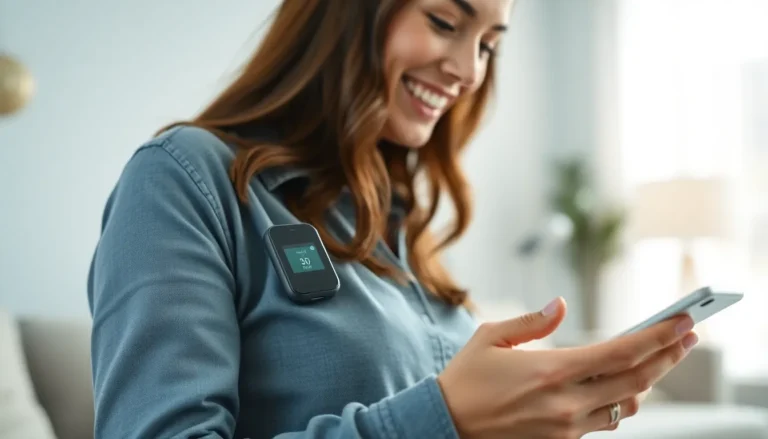

In a world where fitness trackers and smartwatches are as common as coffee cups, the rise of wearables insurance is turning heads. Imagine your favorite gadget not just counting steps but also protecting you from unexpected mishaps. After all, who wouldn’t want a safety net for that high-tech wrist companion that’s seen more sweat than a marathon runner?
What Is Wearables Insurance?
Wearables insurance refers to coverage designed specifically for devices such as fitness trackers and smartwatches. This type of insurance protects against loss, theft, or damage, ensuring users can safeguard their investment. Individuals increasingly rely on these gadgets to monitor health and fitness metrics. Coverage typically includes accidents that can lead to device malfunctions or the need for repairs.
Policies for wearables insurance vary significantly. Some plans offer replacement services if the device is lost or stolen, while others provide repair coverage for accidental damage. Users benefit from peace of mind, knowing they can protect their devices from unexpected incidents. Premiums for this insurance are often lower than traditional gadgets, making it an attractive option for tech-savvy consumers.
Policies can also include additional features. Coverage for data loss or identity theft protection is becoming more common as smartwatches collect personal data. Many providers offer tailored plans to meet the unique needs of wearable technology users. Different companies may have varying terms, so comparing options proves essential.
Companies often offer wearables insurance as an add-on to existing tech policies. Users might prefer to bundle coverage with other insurances, simplifying financial management. Assessing the risks associated with wearables helps determine suitable insurance options. Ultimately, wearables insurance serves to enhance user experience and extend the lifespan of valuable devices.
Benefits of Wearables Insurance


Wearables insurance offers distinct advantages for users of fitness trackers and smartwatches. Tailored coverage provides peace of mind, ensuring protection against loss, theft, and damage.
Enhanced Health Monitoring
Coverage encourages more consistent use of health-focused gadgets. When users invest in wearables with insurance, they’re more likely to utilize features for monitoring vital signs and activity levels. Enhanced tracking promotes healthier habits, as users receive real-time insights into their wellness. Furthermore, knowing their devices are protected increases users’ comfort in exploring advanced functionalities. Wearables insurance aids individuals in maintaining health goals, making it a valuable addition to their fitness journeys.
Reduced Healthcare Costs
Insurance for wearables helps mitigate future medical expenses. Users often access preventive health insights, leading to better lifestyle choices, thereby reducing potential long-term healthcare costs. The ability to monitor conditions such as heart rate and sleep patterns allows for early detection of health issues. By catching concerns earlier, individuals can avoid more serious health complications, resulting in lower bills. Additionally, when users feel secure that their devices are covered, they are likelier to embrace health-promoting behaviors that contribute to overall wellness.
Types of Wearables Covered
Wearables insurance includes coverage for various types of devices, ensuring users protect their investments. Fitness trackers, smartwatches, and medical devices represent major categories often covered under these policies.
Fitness Trackers
Fitness trackers offer essential monitoring for health metrics like heart rate and activity levels. These devices typically face risks such as loss or accidental damage during workouts or daily activities. Insurance for fitness trackers commonly includes coverage for repair or replacement. Some policies even offer additional benefits like data protection, reflecting the importance of health information collected. Coverage options can vary, allowing users to choose a policy that fits their lifestyle and level of activity perfectly.
Smartwatches
Smartwatches serve multifunctional purposes, from tracking fitness to enabling communication. Given their cost and multifunctionality, insurance becomes vital for these devices. Smartwatch coverage addresses risks such as theft or unintentional damage, providing peace of mind for users. Many insurance providers offer flexible policies tailored specifically for smartwatches, with features that cover accidental spills or screen repairs. Users can enjoy their smart devices without fear of significant financial loss due to unfortunate incidents.
Medical Devices
Medical devices become increasingly integrated into wearables, helping users track health conditions. This category includes devices like glucose monitors and heart rate monitors, essential for individuals managing chronic illnesses. Insurance coverage for medical devices addresses losses and damage that may occur in daily use. Specific policies also provide support for potential data breaches, given the sensitive information stored within these devices. Reliable coverage ensures that users can focus on their health without the worry of unexpected expenses.
Key Considerations for Policyholders
Policyholders must understand various factors when choosing wearables insurance. Evaluating coverage details proves essential for making an informed decision.
Coverage Limits
Coverage limits determine the maximum amount an insurer pays for a claim. Policies typically specify replacement values or repair costs, often based on the device’s current market price. Some insurers set distinct limits for loss, theft, and accidental damage. Users should read the fine print to understand exclusions and restrictions. Accurate appraisal of device value aids in selecting appropriate coverage. Many insurers offer tiered plans, giving buyers options that suit their needs. Identifying specific limits ensures users won’t encounter surprises during filing claims.
Privacy Concerns
Privacy concerns arise with wearables insurance due to the personal data these devices collect. Insurance providers often access health and usage data for underwriting or claims assessment. Policyholders should inquire about data protection measures before committing to a plan. Transparency regarding data use strengthens trust between users and insurers. Users must also consider if policies include identity theft protection, as wearables often store sensitive information. Reporting breaches promptly reduces the risk of identity theft. Evaluating an insurer’s privacy practices supports a secure experience with wearable technology.