
Table of Contents
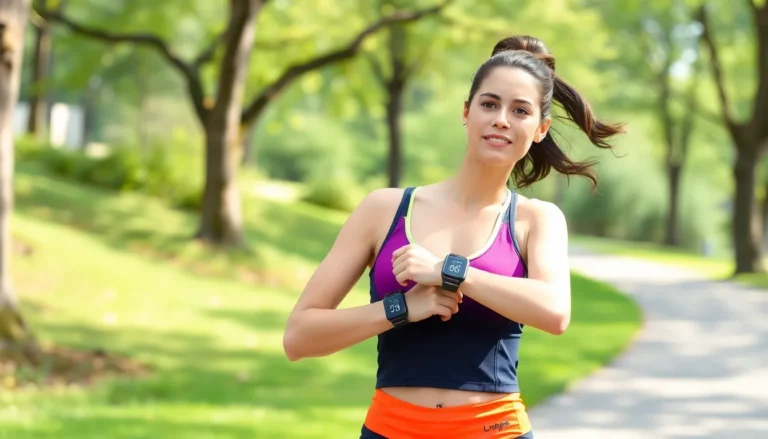
ToggleIn a world where everyone’s trying to outsmart the next tech trend, biometric wearables are the shiny new toys that promise to do just that. Imagine strapping on a gadget that not only tracks your steps but also monitors your heart rate, sleep patterns, and even your stress levels. It’s like having a personal trainer, a therapist, and a health guru all rolled into one sleek device.
Overview of Biometric Wearables
Biometric wearables represent a significant advancement in personal health technology. These devices track critical health metrics such as heart rate, sleep patterns, and stress levels. Users gain insights into their physical well-being with real-time data analysis.
Monitoring heart rate occurs effortlessly through built-in sensors. Collecting sleep data provides patterns that enhance sleep quality awareness. Users can adjust habits based on insights from stress level readings.
Biometric wearables also offer connectivity, syncing with smartphones and health apps. Such integration allows for personalized health recommendations tailored to individual needs. Moreover, many devices feature reminders and alerts that encourage healthier lifestyle choices.
The market for biometric wearables has surged, with various models available for different fitness levels. Fitness enthusiasts prefer models designed for rigorous activity tracking. Health-focused individuals often select wearables that emphasize stress management and sleep quality improvement.
Additionally, real-time coaching becomes a reality with advanced algorithms. Customized workout plans evolve as users’ fitness levels progress. Each device’s versatility helps users prioritize mental and physical health equally, seamlessly fitting into daily routines.
Development in biometric technology continues, enhancing accuracy and functionality. Users can look ahead to innovations in biometric sensors, expanding capabilities beyond current offerings. As biometric wearables become smarter, their role in personal health management will only increase.
Types of Biometric Wearables
Various types of biometric wearables cater to different user needs and preferences. Each type offers unique functionalities designed to enhance personal health monitoring.
Fitness Trackers
Fitness trackers focus on activity monitoring. They record steps, calories burned, and distance traveled. Many models feature heart rate monitoring for real-time data during workouts. Syncing with mobile apps, fitness trackers also provide insights into daily activity levels. Some devices even analyze sleep patterns, giving users a comprehensive overview of health. Popular brands include Fitbit and Garmin, which constantly evolve their technology to support fitness enthusiasts.
Smartwatches
Smartwatches integrate multiple functions, blending traditional watch features with advanced health tracking. These devices monitor heart rate, track workouts, and analyze sleep quality. With the ability to receive notifications, users stay connected while managing their fitness goals. Many smartwatches come equipped with GPS capabilities, beneficial for outdoor activities. Brands like Apple and Samsung focus on enhancing user experience, often offering customizable watch faces and health apps.
Health Monitors
Health monitors specifically emphasize detailed physiological metrics. These wearables track vital signs such as blood pressure and oxygen saturation. Designed for users with specific health conditions, they provide essential data to support proactive health management. Features often include alerting users to irregular heart activity, fostering early detection of potential health issues. Devices like the Withings Body Cardio incorporate smart scales to enhance overall monitoring.
Technology Behind Biometric Wearables
Biometric wearables utilize advanced technologies to deliver comprehensive health insights. Understanding the mechanisms behind these devices is crucial for grasping their significance in personal health management.
Sensors and Data Collection
Sensors play a vital role in biometric wearables, enabling precise monitoring of various health metrics. Optical sensors detect heart rate by measuring the blood flow under the skin. Accelerometers track movement and steps, providing data on activity levels. Gyroscopes enhance motion detection, allowing for improved sleep analysis and workout tracking. Additionally, temperature sensors offer insights into body temperature variations. Together, these sensors collect data continuously, feeding it into algorithms that analyze performance and health trends. Users benefit from real-time feedback, fostering timely adjustments to their fitness routines and lifestyle choices.
Data Security and Privacy
Data security and privacy remain critical concerns for users of biometric wearables. Companies implement encryption protocols to protect sensitive health information transmitted to smartphones and cloud services. Regular updates to software help strengthen security measures and mitigate vulnerabilities. Users often have control over data sharing options, allowing them to decide who can access their information. Additionally, compliance with regulations like HIPAA ensures that health data is handled responsibly. Safe storage and transmission of biometric data reinforce trust between users and manufacturers, promoting a positive experience and encouraging broader adoption of these technologies.
Benefits of Using Biometric Wearables
Biometric wearables offer various benefits that enhance personal health management and lifestyle choices. Users can gain invaluable insights through real-time monitoring of health metrics.
Health Monitoring
Monitoring health becomes more accessible with these devices. Heart rate tracking alerts users to any fluctuations, helping detect potential issues early. Sleep tracking aids in improving overall rest quality by highlighting patterns and irregularities. Personalized notifications remind users when to take breaks, reducing stress accumulations throughout the day. Continuous tracking of physiological metrics, such as blood pressure and oxygen levels, assists individuals with specific health needs. This proactive approach allows for informed decisions about health and wellness.
Fitness Improvement
Achieving fitness goals is more achievable with biometric wearables. They provide detailed analysis of activity levels, enabling users to set attainable targets. Personalized coaching tips adapt to individual’s progress, making workouts more effective. Many wearables track varied fitness activities, ensuring comprehensive coverage for diverse interests. For instance, users can easily transition between cardio, strength training, and other workouts. Integrating data from multiple workouts offers a holistic view of overall performance. By using this data, individuals can enhance their routines and navigate their fitness journeys with confidence.
Convenience and Integration
Convenience is a standout feature of biometric wearables. Syncing with smartphones and health apps simplifies the tracking of health metrics and fitness goals. Notifications for calls, messages, and reminders help users stay organized without interrupting their activities. Integration with other smart home devices further elevates the user experience, enabling seamless lifestyle management. The ability to customize settings ensures that each user can tailor their wearable to their needs. This adaptability contributes significantly to widespread adoption, making biometric wearables practical companions for daily routines.
Challenges and Limitations
Biometric wearables face several challenges and limitations impacting their effectiveness and user adoption.
Accuracy and Reliability
Accuracy remains a significant concern for biometric wearables. Sensors sometimes struggle to provide precise readings due to factors like skin tone, body temperature, or movement. Many devices yield varying heart rate measurements during intense physical activity, which can misinform users about their fitness levels. Reliability also dips when users wear devices incorrectly or if they malfunction. Numerous users report inconsistencies in sleep tracking data, which hinders overall health insights. Manufacturers strive to improve algorithms and sensor technology, yet ongoing advancements are essential for enhancing user trust.
User Adoption and Awareness
User adoption poses another barrier to the widespread use of biometric wearables. Many potential users lack awareness of the benefits these devices offer. Some individuals view them as luxurious gadgets rather than essential health tools. Many consumers also express skepticism about data security, fearing misuse of personal health information. Awareness campaigns can bridge this gap by educating users on the features and advantages of biometric wearables. Greater outreach might encourage adoption, ultimately empowering individuals to take charge of their health through technology.
Biometric wearables are transforming personal health management by providing users with essential insights into their well-being. As technology continues to evolve, these devices will only become more accurate and versatile, enhancing their role in daily health routines. With the ability to monitor various metrics and offer personalized recommendations, they empower individuals to make informed decisions about their health.
While challenges like data accuracy and user adoption exist, ongoing education and advancements in technology will likely address these issues. As more people recognize the benefits of biometric wearables, they’ll become indispensable tools for achieving fitness goals and maintaining overall health. The future of personal health monitoring is bright, and biometric wearables are leading the way.