

In a world where safety is no longer just a buzzword but a necessity, safety wearables are stepping up to the plate like a superhero in a spandex suit—minus the cape, of course. These nifty gadgets are designed to keep individuals out of harm’s way while adding a dash of style to their daily routine. Whether it’s a smart helmet that alerts you to hazards or a vest that tracks your movements, safety wearables are here to revolutionize the way people think about protection.
Imagine strutting into work, sporting a sleek wearable that not only keeps you safe but also makes your colleagues a tad envious. With the right safety gear, you can dodge accidents like a pro while looking good doing it. So, let’s dive into the world of safety wearables and discover how they’re changing the game for everyone—from construction workers to weekend warriors.
Overview of Safety Wearables
Safety wearables are devices designed to protect individuals while ensuring comfort and style. These gadgets encompass a range of products, including smart helmets, GPS tracking vests, and wearable alert systems. Each type serves a specific purpose to enhance safety in various environments, such as construction sites, sports arenas, and outdoor activities.
Smart helmets integrate technology for improved visibility and communication. Features often include built-in lights, Bluetooth connectivity, and impact sensors, which notify users of potential hazards. GPS tracking vests provide real-time location data, crucial for workers in remote or hazardous areas.
Wearable alert systems typically consist of smartwatches or fitness bands equipped with emergency signaling capabilities. These devices can detect falls, monitor heart rates, and alert emergency services or designated contacts in case of emergencies. Advanced models even offer health monitoring features like blood oxygen levels and stress detection.
Workplaces increasingly adopt safety wearables for comprehensive safety programs. Industries such as construction, logistics, and healthcare emphasize the importance of these devices in reducing accident rates. The integration of safety technology into daily operations not only protects workers but also boosts productivity and fosters a safety-first culture.
Consumers appreciate fashion in personal protective equipment. Manufacturers focus on creating stylish designs that blend functionality with aesthetic appeal. Wearables now come in various colors and styles, making it easier for individuals to prioritize safety without sacrificing their personal taste.
As safety wearables continue to evolve, their impact on daily lives becomes more significant. Users can expect ongoing advancements in capabilities, from enhanced connectivity to sophisticated health monitoring. The commitment to innovation ensures that safety wearables will play a critical role in safeguarding individuals across diverse environments.
Types of Safety Wearables
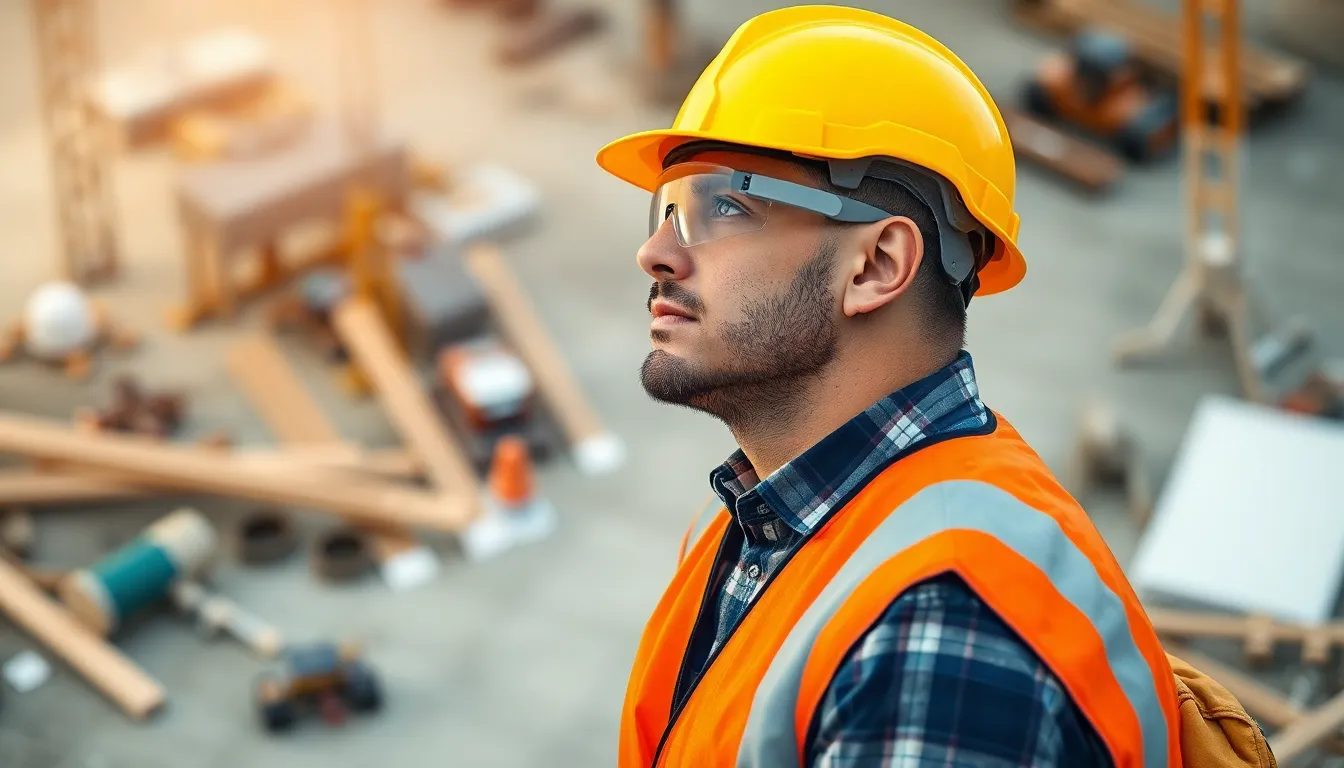
Safety wearables encompass a variety of devices designed to enhance personal safety in various environments. These tools serve both protective and functional purposes.
Personal Protective Equipment (PPE)
Personal protective equipment includes items like helmets, gloves, and safety vests. These products guard against physical hazards, while some feature integrated technology for monitoring health and safety. For instance, smart helmets may provide head impact alerts, promoting immediate attention to potential injuries. Additionally, safety vests equipped with reflective materials enhance visibility, reducing accident risks in low-light conditions. Increasingly, manufacturers focus on combining comfort and functionality, ensuring wearers remain protected without sacrificing mobility.
Smart Helmets and Goggles
Smart helmets and goggles represent cutting-edge advancements in safety wearables. These devices often incorporate features such as augmented reality and integrated communication. For example, smart helmets may display critical information directly on the visor, allowing wearers to stay informed while working in hazardous conditions. Goggles can offer protection while providing visibility enhancements through real-time data overlays. Many of these products prioritize user experience by ensuring they are lightweight and comfortable for extended wear. Overall, smart helmets and goggles play a significant role in improving safety and communication in high-risk environments.
Benefits of Safety Wearables
Safety wearables provide significant advantages in various environments, enhancing both individual protection and overall operational efficiency.
Improved Worker Safety
Safety wearables significantly enhance worker safety by integrating technology that monitors vital health metrics. Smart helmets can detect potential impacts and alert users to hazardous conditions. GPS tracking vests ensure real-time location data, crucial in emergencies or remote areas. Increased visibility through neon or reflective materials in safety vests helps prevent workplace accidents in low-light settings. According to studies, organizations that implement safety wearables experience a notable reduction in accident rates. Enhanced health monitoring can also provide early detection of fatigue or health issues, enabling prompt intervention.
Enhanced Communication
Effective communication is vital in enhancing safety, especially in high-risk workplaces. Safety wearables often feature built-in communication systems that facilitate immediate contact among team members. Smart helmets, for example, allow seamless voice communication without removing headgear. This technology ensures that critical messages reach workers without delay. In environments where noise pollution is prevalent, wearable alert systems can notify individuals through vibrations or visual signals. Improved coordination among team members reduces the potential for accidents, fostering a safer working atmosphere. Regular updates and alerts through devices keep workers informed of evolving situations, enhancing overall operational safety.
Challenges in Adoption
Adopting safety wearables presents multiple challenges that organizations must address.
Cost Considerations
Cost remains a significant barrier to adoption. Initial investment in safety wearables can be high for businesses, especially smaller ones. Organizations may encounter expenses related to purchasing devices, integrating software, and maintaining equipment. Analysis shows that while wearables often result in long-term savings through reduced accidents, the upfront costs may deter firms from making the leap. Many businesses prioritize budgets and may hesitate to allocate funds to wearable technology, even with potential safety benefits. Value measurement is crucial, making it essential for companies to evaluate the return on investment thoroughly.
Training Requirements
Training is a crucial aspect of effective implementation. Understanding how to use safety wearables requires employees to undergo specific training. Businesses may need to allocate resources to educate staff on the devices’ features and functions. Enhanced training can lead to improved utilization, ultimately maximizing devices’ safety contributions. Employees must grasp both technology and communication protocols, ensuring they respond appropriately during incidents. When organizations invest time and resources in comprehensive training programs, adoption challenges lessen significantly, paving the way for successful integration into daily operations.
Future Trends in Safety Wearables
Emerging technologies continue to shape the landscape of safety wearables, enhancing their effectiveness and user appeal. Increased connectivity plays a significant role in this evolution. Wearables equipped with 5G capabilities provide real-time data sharing between devices, enabling instant updates for improved decision-making in hazardous situations.
Artificial intelligence (AI) integration enhances safety wearables’ capabilities. Smart algorithms analyze user data, predicting potential risks and generating proactive alerts. This advanced functionality fosters a safer environment, as workers receive timely notifications before hazards escalate.
Sustainability also drives innovation in safety wearables. Manufacturers increasingly use eco-friendly materials and energy-efficient technologies, promoting environmental responsibility. These sustainable approaches appeal to conscientious consumers and organizations focused on corporate social responsibility.
Collaboration with health professionals is another trend reshaping safety wearables. Devices now feature advanced health monitoring, such as ECG and blood oxygen level tracking. Workers benefit from continuous health assessments, allowing for timely interventions and promoting overall well-being.
Wearable technology becomes more user-friendly, with intuitive interfaces and customizable designs. As aesthetics gain importance, manufacturers prioritize style alongside functionality. This change attracts a broader audience, making safety wearables desirable for various users across multiple sectors.
Finally, regulatory support aids the growth of safety wearables. Governments are increasingly recognizing the importance of workplace safety, leading to potential incentives for businesses adopting these technologies. As regulations adapt, organizations can expect more significant investments in safety-focused wearables, reinforcing their role in modern safety protocols.
Safety wearables are revolutionizing personal protection across various settings. By integrating advanced technology with stylish designs these devices not only enhance safety but also appeal to modern users. They play a crucial role in reducing accident rates and improving communication among team members.
As technology continues to evolve the future of safety wearables looks promising. Increased connectivity and AI capabilities will further enhance their effectiveness while sustainability efforts align with consumer values. With ongoing regulatory support and a growing awareness of workplace safety these innovative gadgets are set to become essential tools for safeguarding individuals in every environment. Embracing safety wearables is not just a trend but a vital step towards a safer future.