
In a world where cyber threats lurk around every digital corner, vulnerability scanning is like having a superhero on your team—minus the cape and spandex. It’s the unsung hero that swoops in to identify weaknesses in your systems before the bad guys can exploit them. Think of it as a digital health check-up, ensuring your network stays fit and fabulous.
But don’t let the term “vulnerability” scare you. It’s not about exposing your deepest secrets; it’s about fortifying your defenses and keeping your data safe. With the right scanning tools, organizations can proactively hunt for vulnerabilities, turning potential disasters into mere hiccups. After all, who wouldn’t want to sleep soundly knowing their systems are protected? Let’s dive deeper into how vulnerability scanning can be your best ally in the quest for cybersecurity.
What Is Vulnerability Scanning?
Vulnerability scanning refers to the process of identifying and assessing weaknesses in digital systems. Organizations use this technique to detect potential security risks before cyber threats exploit them. Tools designed for vulnerability scanning automatically inspect networks, applications, and devices for known vulnerabilities, ensuring comprehensive coverage.
Automated scans help maintain accuracy while minimizing human error. Many organizations rely on industry-standard frameworks, such as the Common Vulnerabilities and Exposures (CVE) list, to guide vulnerability identification. By regularly performing scans, organizations can prioritize remediation efforts based on the severity of detected flaws.
Moreover, vulnerability scanning serves as a proactive measure in cybersecurity strategies. Identified vulnerabilities can range from outdated software to configuration errors. Addressing these vulnerabilities promptly reduces the risk of data breaches, safeguarding sensitive information and maintaining trust with stakeholders.
In industries handling financial or personal data, regular vulnerability scans are even more critical. Compliance with regulations and standards often mandates these assessments. Scanning tools generate detailed reports outlining vulnerabilities, enabling teams to focus on the most pressing issues.
Ultimately, vulnerability scanning plays a vital role in strengthening an organization’s overall security posture. Regular assessments not only enhance defenses but also transform potential security problems into manageable challenges. Through effective use of vulnerability scanning, organizations stay ahead of cyber threats, ensuring a safer digital environment.
Importance of Vulnerability Scanning
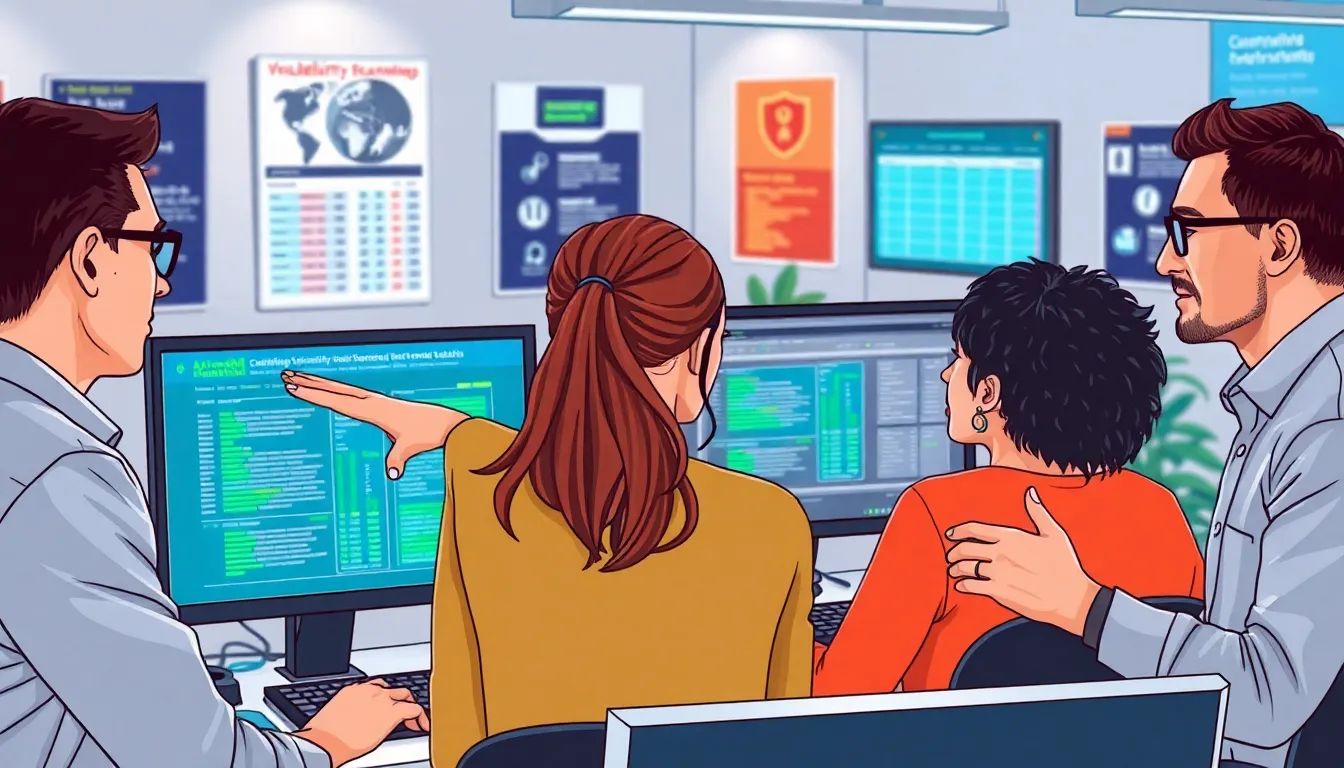
Vulnerability scanning plays a crucial role in enhancing cybersecurity. It helps organizations identify and rectify weaknesses in their digital infrastructure proactively.
Identifying Security Weaknesses
Identifying security weaknesses occurs through automated scanning tools that evaluate networks, applications, and devices. These tools search for known vulnerabilities listed in resources like the Common Vulnerabilities and Exposures (CVE) database. Analyzing these weaknesses enables organizations to pinpoint areas needing immediate attention. Scanning assists in uncovering issues such as outdated software or misconfigurations. By addressing these vulnerabilities quickly, organizations minimize risk exposure and deter potential cyberattacks. They can reinforce their security posture before threats lead to significant incidents.
Compliance and Regulatory Requirements
Compliance with cybersecurity regulations mandates regular vulnerability scanning. Industries that handle sensitive data must follow stringent guidelines to ensure data protection. Organizations often rely on vulnerability scans to demonstrate adherence to security standards like GDPR or HIPAA. Maintaining compliance not only protects data but also improves organizational reputation. Regular scans generate detailed reports that show ongoing efforts to mitigate risks. These records serve as documentation during audits, instilling confidence in stakeholders. By prioritizing vulnerability scanning, organizations stay ahead of compliance requirements while enhancing security measures.
Types of Vulnerability Scanning
Vulnerability scanning encompasses various methods tailored to different aspects of digital security. Each type addresses specific potential weaknesses, ensuring comprehensive protection.
Network Vulnerability Scanning
Network vulnerability scanning focuses on identifying security flaws within a network’s infrastructure. It assesses routers, switches, firewalls, and servers for known vulnerabilities. Tools utilized for network scanning often leverage the Common Vulnerabilities and Exposures list for guidance. Regular scans target outdated software and misconfigurations that could facilitate breaches. Organizations conducting these scans gain insights into their networks’ security posture by receiving detailed reports. By prioritizing findings, they can allocate resources effectively to address the most critical vulnerabilities.
Web Application Vulnerability Scanning
Web application vulnerability scanning targets security issues within web applications. It identifies potential flaws such as SQL injection, cross-site scripting, and insecure APIs. Scanning tools analyze application code and configurations, ensuring that any weaknesses are exposed before exploitation occurs. Regular assessments help organizations comply with necessary regulations like GDPR and HIPAA while protecting sensitive user data. Reports generated from these scans highlight vulnerabilities needing immediate attention. Proactively addressing these issues significantly reduces the risk of data breaches and enhances overall security.
Best Practices for Vulnerability Scanning
Establishing effective practices for vulnerability scanning enhances an organization’s cybersecurity measures significantly.
Regular Scanning Schedule
Organizations must implement a regular scanning schedule to maintain security defenses effectively. Monthly scans can identify newly emerged vulnerabilities, ensuring they stay ahead of potential threats. Weekly assessments work best for systems with high data sensitivity or frequent changes. Compliance regulations often require a specific frequency for scans, stressing the importance of this practice. Tools capable of automated scanning can simplify this process, generating timely reports that help teams stay proactive. Consistent monitoring enables quick responses to issues, ultimately fostering a resilient security posture.
Prioritizing Vulnerabilities
Prioritizing vulnerabilities based on severity is crucial for effective remediation. High-risk vulnerabilities demand immediate attention, especially those linked to critical assets or sensitive data. Risk assessment metrics such as CVSS scores help organizations rank issues systematically. Addressing flaws in systems handling financial or personal data should take precedence due to compliance obligations. Allocating resources efficiently allows teams to tackle the most pressing concerns first. Regularly updated vulnerability databases ensure organizations rely on the latest information for accurate prioritization. This approach not only enhances security measures but also aligns with broader compliance requirements, ensuring robust protection against potential breaches.
Common Tools for Vulnerability Scanning
Numerous tools exist for effective vulnerability scanning. Open-source and commercial options each provide distinct advantages and features for organizations.
Open Source Tools
Open-source tools offer cost-effective solutions for vulnerability scanning. Examples of popular choices include OpenVAS and Nikto. OpenVAS excels at comprehensive network assessments, identifying vulnerabilities based on the CVE list. Nikto focuses on web application vulnerabilities, specifically targeting common issues like outdated software components. Using these tools enables organizations to customize their scanning processes according to specific needs while benefiting from community support and continuous updates.
Commercial Tools
Commercial tools feature advanced capabilities and dedicated support for vulnerability scanning. Examples include Nessus and Qualys. Nessus is well-regarded for its extensive range of plugins that detect vulnerabilities across various platforms. Qualys provides cloud-based scanning services, allowing for real-time monitoring and reporting. Investing in commercial tools often enhances an organization’s security posture, providing timely updates and compliance reporting to meet regulatory requirements effectively.
Vulnerability scanning is an essential component of a robust cybersecurity strategy. By proactively identifying and addressing weaknesses in digital systems organizations can significantly reduce the risk of data breaches and enhance their overall security posture. Regular scans not only help in compliance with industry regulations but also build trust with stakeholders by demonstrating a commitment to data protection.
Utilizing the right tools and best practices ensures that organizations can effectively manage vulnerabilities and prioritize remediation efforts. As cyber threats continue to evolve staying ahead of potential risks through consistent vulnerability scanning is crucial for safeguarding sensitive information and maintaining a secure digital environment.